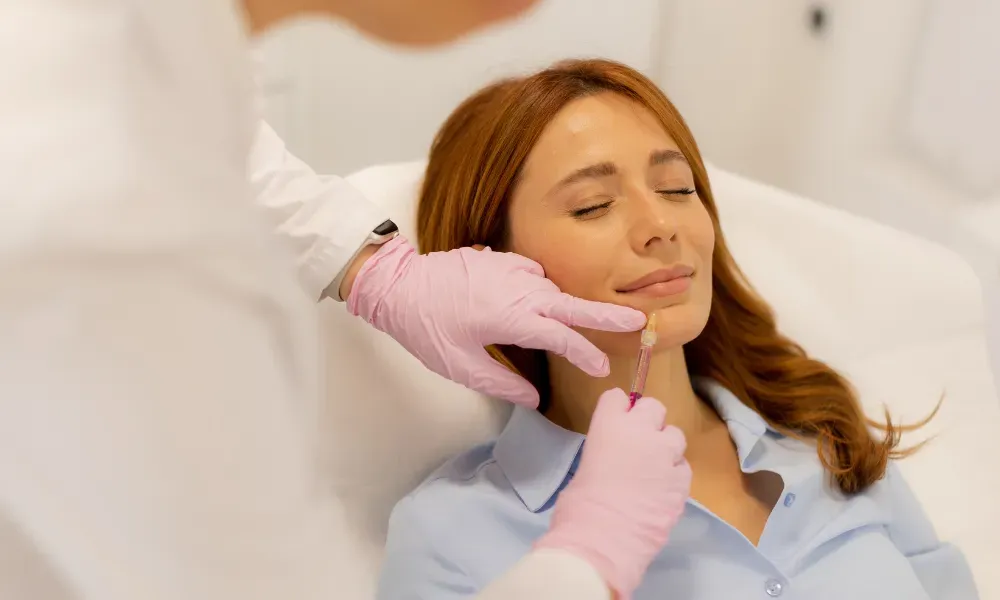
Planning dermal fillers before the holidays? Timing matters. Learn when to schedule treatment, how long to allow for swelling and settling, which facial areas may benefit, and why early planning can help you achieve natural-looking results
The holiday season is filled with special occasions—family gatherings, office parties, weddings, vacations, dinners, and plenty of photos. If you're considering dermal fillers before the holidays, one of the most important parts of your treatment plan isn't just what you have done, but when you have it done.
Dermal fillers can help restore facial volume, enhance contours, soften certain facial lines, and create more balanced proportions. However, swelling, bruising, and other temporary effects can occur after treatment. Giving your filler enough time to settle before an important event can help you feel more comfortable and confident.
At MDCS Dermatology, injectable treatments are customized to each patient's facial anatomy, skin quality, aesthetic goals, and desired timeline.
Why Timing Matters When Getting Fillers Before the Holidays
Dermal fillers can produce visible results immediately, but the appearance immediately after treatment is not necessarily the final result.
Depending on the area treated and the individual, you may experience temporary:
-
Swelling
-
Bruising
-
Redness
-
Tenderness
-
Mild asymmetry
-
Sensitivity
These effects generally improve as the treated area settles.
That's why scheduling a filler appointment immediately before a holiday party or photo session isn't always ideal.
The goal is to have your treatment comfortably settled—not freshly treated—when your event arrives.
How Far in Advance Should You Get Dermal Fillers?
There is no universal timeline because every patient and treatment area is different. However, a good general strategy is to plan your filler treatment several weeks before a major holiday event.
For patients who are new to fillers, treating a new area, or planning multiple procedures, starting even earlier can provide additional flexibility.
Your timeline may depend on:
-
The area being treated
-
The type of filler selected
-
The amount of filler used
-
Whether you've had filler previously
-
Your tendency to bruise or swell
-
Whether multiple areas are being treated
-
Your event date
-
Your desired result
8–12 Weeks Before the Holidays: Start Planning
If you already know you have an important event coming up, this is a great time to schedule a consultation.
At this stage, your dermatologist can evaluate your face and discuss whether filler is appropriate for your goals.
A consultation may also help determine whether you would benefit from:
-
Cheek filler
-
Lip filler
-
Chin filler
-
Jawline filler
-
Filler for facial folds
-
A combination approach
Starting early also gives you time to consider whether another treatment—such as Botox®, Sculptra®, laser treatment, or a skincare program—may better address part of your concern.
4–8 Weeks Before Your Event
This can be a useful window for many patients to receive dermal fillers.
It provides time for temporary swelling and bruising to resolve and for the filler to settle into the treated area.
This timeline can be particularly helpful if you're treating:
-
Cheeks
-
Chin
-
Jawline
-
Lips
-
Nasolabial folds
-
Other areas affected by volume loss
If you're considering multiple areas, your treatment plan may be staged rather than performed all at once.
2–4 Weeks Before the Holidays
For patients who have previously received fillers and know how they respond, this may still provide a reasonable treatment window.
However, if you're getting filler for the first time, earlier is generally more comfortable.
A few weeks gives you some breathing room if you experience bruising or swelling.
One Week Before an Event
This is where careful planning becomes particularly important.
While some patients experience very little downtime after filler, there is no guarantee that you will have no swelling or bruising.
If your holiday event involves professional photography, an important presentation, wedding, or other major occasion, you may want more time between treatment and the event.
The Day Before a Holiday Party?
Generally, no.
A last-minute filler appointment may leave you dealing with swelling, bruising, or tenderness during the exact event you were hoping to prepare for.
Instead, think of filler as part of your pre-event treatment plan, rather than a last-minute beauty treatment.
Which Facial Areas Can Be Treated With Fillers?
Dermal fillers can be used for different aesthetic goals depending on the product and treatment area.
Cheeks
Cheek filler can restore volume that has decreased with age or enhance the natural contour of the mid-face.
Adding volume to the cheeks may also improve the transition between the cheek and lower eyelid in appropriately selected patients.
Lips
Lip filler can enhance lip volume, improve definition, and address age-related changes.
A subtle approach can help maintain natural movement and proportion.
Chin
Chin filler may help improve projection and facial balance.
In some patients, subtle chin enhancement can create a more harmonious relationship between the chin, lips, and other facial features.
Jawline
Filler can sometimes be used to improve jawline definition and restore structural support.
Treatment should be customized to facial anatomy rather than following a one-size-fits-all approach.
Facial Folds
Depending on the cause and anatomy, filler may soften the appearance of certain facial folds associated with volume loss.
Importantly, not every line should simply be “filled.” Your clinician should determine whether volume restoration is actually the appropriate solution.
Meet Marisa K. Garshick, MD
Marisa K. Garshick, MD is a board-certified dermatologist at MDCS Dermatology.
Dr. Garshick brings a comprehensive approach to dermatology, combining medical skin health with cosmetic treatment when appropriate. Her expertise allows her to evaluate aesthetic concerns in the context of the patient's overall skin health, facial anatomy, and individual goals.
For patients considering dermal fillers before the holidays, an individualized consultation with Dr. Garshick can help determine which areas may benefit from treatment and how to appropriately plan the timing around upcoming events.
What Happens During a Filler Consultation?
A good filler consultation should involve more than pointing out a wrinkle and deciding how much product to inject.
Your dermatologist may evaluate:
-
Facial proportions
-
Existing facial volume
-
Skin quality
-
Symmetry
-
Bone structure
-
Muscle movement
-
Areas of volume loss
-
Previous filler treatments
-
Your aesthetic goals
Your clinician will also discuss what fillers can and cannot accomplish.
This is particularly important when you're preparing for an event because the best treatment isn't always the one that produces the most noticeable change.
The Goal: Refreshed, Not Overfilled
Holiday preparation doesn't mean you need to look dramatically different.
For many patients, the goal is simply to look:
-
Rested
-
Refreshed
-
Balanced
-
Healthy
-
Natural
A conservative filler treatment can help restore volume while maintaining your existing facial character.
The objective should be to enhance your features rather than make it obvious that you've had a cosmetic procedure.
Should You Combine Fillers With Botox?
Potentially.
Fillers and Botox address different aspects of facial aging.
Botox targets dynamic wrinkles caused by repeated muscle movement, while fillers are primarily used to restore volume or enhance facial structure.
For example, a patient may choose Botox for forehead lines and crow's feet while using filler to address cheek volume loss.
If you're considering both before the holidays, planning ahead is especially helpful because your clinician can create a coordinated treatment schedule.
What About Sculptra?
Sculptra® works differently from traditional dermal fillers.
Rather than providing traditional immediate volume, Sculptra is designed to stimulate collagen production gradually.
Because the results develop over time, Sculptra is better suited to patients who plan their holiday skin preparation months in advance.
If you're only a few weeks away from an event, your dermatologist may recommend a different treatment depending on your goals.
Don't Forget About Skin Quality
Volume isn't the only factor affecting how your skin looks in holiday photos.
Uneven pigmentation, sun damage, rough texture, acne scars, redness, and fine lines can also influence overall appearance.
Depending on your concerns, your treatment plan may incorporate:
-
Medical-grade skincare
-
Chemical peels
-
IPL
-
Laser treatments
-
Microneedling
-
RF microneedling
-
Neuromodulators
-
Dermal fillers
The best results often come from addressing the skin as a whole rather than focusing on a single wrinkle or facial feature.
What Should You Do Before Your Filler Appointment?
Before treatment, make sure your clinician knows about:
-
Previous filler treatments
-
Current medications
-
Allergies
-
Previous reactions to injectable treatments
-
Any upcoming procedures
-
Your upcoming event schedule
Do not make changes to prescribed medications without speaking with the appropriate healthcare professional.
Your clinician will provide individualized instructions based on your medical history and treatment plan.
What Should You Expect After Filler?
Immediately after treatment, the treated area may look slightly fuller than expected because of temporary swelling.
You may also notice:
-
Mild redness
-
Tenderness
-
Bruising
-
Temporary swelling
Your clinician will provide specific post-treatment instructions.
Following those instructions is important for a smooth recovery.
Why You Shouldn't Overdo It Before the Holidays
It's tempting to try to address every cosmetic concern at once before a major event.
But more treatment does not automatically mean better results.
Over-treating can potentially create an unnatural appearance or increase the likelihood of swelling and bruising.
Instead, prioritize the concerns that matter most to you and develop a treatment plan with your dermatologist.
Holiday Filler Timeline at a Glance
2–3 Months Before
-
Schedule a consultation
-
Discuss your goals
-
Evaluate facial structure and volume
-
Determine whether filler is appropriate
-
Consider complementary treatments
4–8 Weeks Before
-
Consider your planned filler treatment
-
Address other skin concerns as appropriate
-
Follow your personalized skincare routine
2–4 Weeks Before
-
Allow filler to settle
-
Attend follow-up if recommended
-
Avoid unnecessary changes to your routine
1 Week Before
-
Focus on maintaining your skin
-
Avoid experimenting with new aggressive treatments
-
Follow your clinician's aftercare recommendations
The Day Before
-
Keep your routine simple
-
Don't schedule a new injectable treatment
-
Focus on hydration, rest, and skin protection
What If You Have Multiple Holiday Events?
If you have several events throughout November and December, tell your dermatologist during your consultation.
Instead of planning around only one party, your treatment schedule can be designed around the entire season.
This may mean starting earlier or spacing different treatments apart.
Planning ahead is particularly important if you're considering multiple injectable or resurfacing treatments.
How Long Do Dermal Fillers Last?
The longevity of filler varies depending on the product, treatment area, amount used, and individual factors.
Some fillers may last several months, while others can provide results for a year or longer.
Your dermatologist can explain the expected longevity of the specific product being considered.
It's also important to remember that filler maintenance is individualized. You don't necessarily need to repeat treatment on a predetermined schedule.
Is Holiday Filler Right for You?
Dermal fillers may be appropriate if you're looking to:
-
Restore lost facial volume
-
Enhance cheek contours
-
Define the lips
-
Improve chin projection
-
Refine the jawline
-
Restore facial balance
-
Address certain age-related changes
However, fillers aren't right for everyone.
The best first step is an evaluation to determine whether volume loss is actually responsible for the concern you're trying to address.
The Bottom Line
If you're considering dermal fillers before the holidays, start planning early.
Rather than waiting until a few days before an important event, give yourself enough time for treatment, recovery, and the final result to develop.
For many patients, planning treatment several weeks in advance provides a comfortable buffer. Starting even earlier is especially helpful for first-time patients or those considering multiple treatments.
At MDCS Dermatology, treatment plans are personalized to your facial anatomy, skin health, aesthetic goals, and holiday timeline.
To schedule a consultation with Marisa K. Garshick, MD or another member of the MDCS Dermatology team, Book Online.