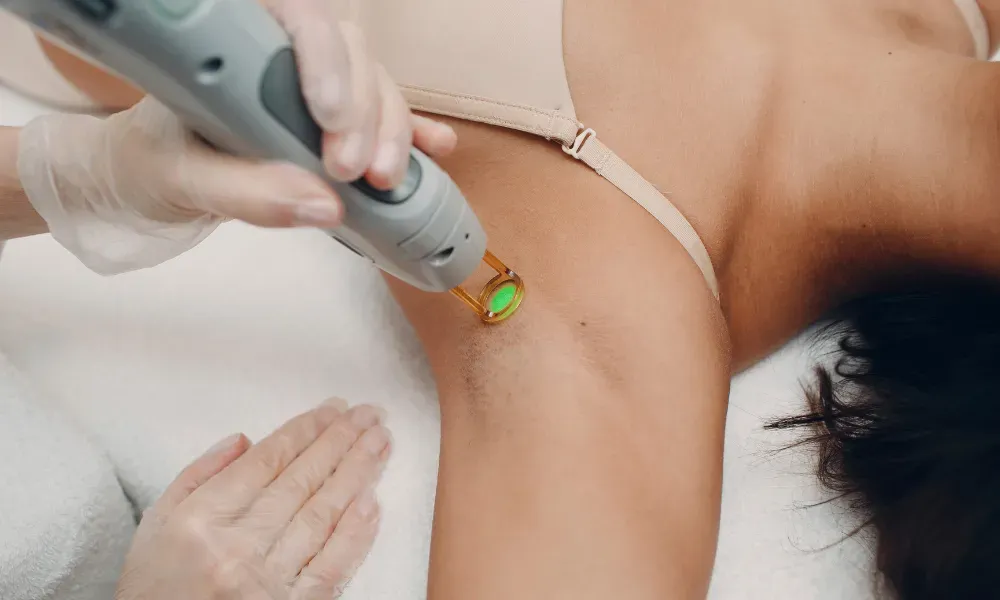
November can be an ideal time to begin laser hair removal. With less sun exposure and time to complete multiple sessions, starting now can help you work toward smoother skin before warmer months return. See what to expect, prepare, and why timing matters
If you've been thinking about laser hair removal but keep putting it off, November may be one of the best times of year to start.
By late fall, many people have less sun exposure, fewer beach days, and more opportunities to plan a treatment series before shorts, swimsuits, and summer vacations return. Because laser hair removal typically requires multiple sessions spaced several weeks apart, starting in November can help you make meaningful progress before warmer weather arrives.
At MDCS Dermatology, laser hair removal is customized to the individual, taking into account the treatment area, hair characteristics, skin type, and treatment history.
Why Start Laser Hair Removal in November?
Laser hair removal is not usually a one-treatment process.
Hair grows in different cycles, and laser energy is most effective when the hair is in a particular phase of the growth cycle. Because not every hair is in that phase at the same time, multiple treatments are typically needed.
Starting in November gives you several advantages:
-
More time to complete a series of treatments
-
Less intense sun exposure for many patients
-
More time between treatments and summer activities
-
An opportunity to address unwanted hair before warm weather
-
Less pressure to achieve results immediately before vacation season
Instead of waiting until spring and trying to fit several appointments into a short window, beginning in November allows your treatment plan to progress gradually.
How Does Laser Hair Removal Work?
Laser hair removal uses concentrated light energy to target the pigment in hair follicles.
The energy is absorbed by the hair and converted into heat, which can damage the follicle and reduce its ability to produce hair.
Because hair follicles are not all actively growing at the same time, treatments are performed in a series.
With each session, the amount and thickness of hair may gradually decrease.
The goal is long-term hair reduction, rather than promising that every hair will permanently disappear after a specific number of treatments.
Why Multiple Treatments Are Necessary
One of the most common misconceptions about laser hair removal is that one treatment should eliminate unwanted hair.
Hair growth occurs in cycles, and follicles respond differently depending on their stage of growth when treatment occurs.
A series of treatments allows your clinician to target additional follicles as they enter a more responsive growth phase.
Your treatment schedule depends on:
-
Treatment area
-
Hair color
-
Hair thickness
-
Skin tone
-
Hormonal factors
-
Individual hair-growth cycle
-
Previous treatments
Your clinician can recommend an appropriate interval between sessions.
Why November Can Be Better Than Waiting Until Summer
Summer tends to bring more challenges for laser hair removal patients.
There is often more:
-
Sun exposure
-
Outdoor activity
-
Beach time
-
Pool time
-
Tanning
-
Travel
Sun exposure and tanning can affect whether it is appropriate to perform certain laser treatments and may require adjustments to your treatment schedule.
Beginning in November can provide a longer period with reduced UV exposure before summer activities begin.
That doesn't mean you can ignore sun protection during the fall and winter.
Daily sun protection remains important year-round.
Less Sun Exposure Can Make Treatment Planning Easier
Laser hair removal treatments need to be customized to the patient's skin.
Recent tanning or significant sun exposure can affect the skin's pigmentation and may influence how safely certain laser settings can be used.
For patients who spend less time outdoors during the colder months, November can provide a convenient opportunity to begin a treatment series.
If you've recently been tanning or had significant sun exposure, tell your clinician before treatment.
Which Areas Can Be Treated?
Laser hair removal can be used on many areas of the body.
Common treatment areas include:
Face
-
Upper lip
-
Chin
-
Sideburns
-
Jawline
-
Neck
Body
-
Underarms
-
Arms
-
Legs
-
Back
-
Chest
-
Abdomen
-
Bikini area
The appropriate treatment approach depends on the location and characteristics of the hair.
Laser Hair Removal for the Face
Facial hair can be particularly frustrating because shaving, waxing, and plucking can require constant maintenance.
Laser hair removal may be used for areas such as the upper lip, chin, jawline, and neck.
However, facial hair can be influenced by hormonal factors.
Some patients may therefore need more maintenance treatments than others.
A consultation is important for determining whether laser hair removal is an appropriate option for your particular pattern of hair growth.
Laser Hair Removal for the Underarms
The underarms are one of the most popular areas for laser hair removal.
Patients often choose this area because shaving can lead to:
-
Razor burn
-
Ingrown hairs
-
Stubble
-
Frequent maintenance
Reducing hair growth can make everyday grooming easier and may reduce the need for constant shaving.
Laser Hair Removal for the Bikini Area
The bikini area is another common treatment area.
Laser hair removal may help reduce the need for shaving or waxing and can be particularly appealing for patients who experience recurring ingrown hairs.
Because the area can be sensitive, treatment settings are customized to balance effectiveness and comfort.
Laser Hair Removal for the Legs
Treating the legs can significantly reduce the amount of shaving required during warmer months.
Starting in November means you can begin your treatment series while you're wearing longer clothing and have several months to work toward your desired level of hair reduction.
Who Is a Good Candidate?
Laser hair removal may be appropriate for many patients, but results depend on several factors.
The laser targets pigment in the hair, so hair color and skin tone matter.
Traditionally, laser hair removal has worked particularly well when there is a strong contrast between the hair and surrounding skin.
Advances in laser technology have expanded treatment options for a broader range of skin tones.
At MDCS Dermatology, the appropriate technology and treatment settings can be selected based on your individual skin and hair characteristics.
What About Darker Skin Tones?
Patients with darker skin can potentially benefit from laser hair removal, but treatment must be carefully customized.
The goal is to target the hair follicle while minimizing unnecessary absorption of energy by the surrounding skin.
This makes choosing the appropriate technology and settings particularly important.
Your clinician will evaluate your skin tone, hair characteristics, and treatment history before determining an appropriate approach.
What About Light, Blonde, Gray, or Red Hair?
Hair pigment influences how effectively laser energy can target the follicle.
Dark, pigmented hair generally responds better because it contains more of the pigment that absorbs the laser energy.
Very light blonde, gray, or white hair may respond less effectively.
Red hair can also be more challenging to treat depending on the individual.
A consultation can help determine whether laser hair removal is likely to provide meaningful results for your specific hair type.
What Does Laser Hair Removal Feel Like?
The sensation varies depending on the treatment area, device, settings, and individual sensitivity.
Patients may describe the treatment as feeling like:
-
Small snaps
-
Warmth
-
Brief pinching
-
A rubber-band-like sensation
Many modern laser systems incorporate cooling technology to improve comfort.
Your clinician can discuss what to expect before your first session.
What Happens After Treatment?
Immediately after laser hair removal, the treated area may appear:
-
Slightly red
-
Warm
-
Mildly swollen around individual follicles
These effects are generally temporary.
You may notice hair continuing to appear after treatment.
This does not necessarily mean the treatment did not work.
Some treated hairs may gradually shed from the follicle over the following days or weeks.
Does Laser Hair Removal Hurt?
Everyone experiences treatment differently.
The sensation can vary depending on:
-
Body area
-
Hair thickness
-
Hair density
-
Treatment settings
-
Individual sensitivity
Areas with thicker or denser hair may feel more noticeable during treatment.
Cooling technology and appropriate treatment settings can help make the procedure more comfortable.
How Many Sessions Will You Need?
There is no universal number of treatments.
Some patients see significant reduction after several sessions, while others require additional treatments.
Factors that influence the number of sessions include:
-
Hair color
-
Hair thickness
-
Skin tone
-
Treatment area
-
Hormonal influences
-
Hair-growth cycle
-
Individual response
Your clinician can develop a treatment schedule based on your progress.
Why November Gives You Time to Build Results
Imagine starting your treatment series in November rather than waiting until May.
By starting earlier, you may have time to complete several sessions before summer.
For example:
November: Consultation and first treatment
December: Follow-up treatment
January: Continue treatment series
February: Continue treatment series
March: Additional session if recommended
April: Continue or transition into maintenance
May–June: Enter warmer weather with reduced hair growth
The exact schedule will vary, but the concept is simple: starting earlier gives your treatment plan room to work.
Is Laser Hair Removal Permanent?
Laser hair removal is generally described as permanent hair reduction, not guaranteed permanent elimination of every hair.
Some follicles may stop producing visible hair, while others may produce finer or lighter hair over time.
Hormonal changes can also stimulate new hair growth.
For this reason, some patients benefit from maintenance treatments after completing their initial series.
Can Hormones Affect Results?
Yes.
Hormonal changes can influence hair growth.
Patients with hormone-related unwanted hair growth may experience new growth even after completing laser treatments.
This is particularly relevant for facial hair.
If your hair growth seems unusually rapid, persistent, or suddenly changes, your clinician may recommend discussing possible underlying causes.
Can You Shave Between Treatments?
In general, shaving is often compatible with laser hair removal because it doesn't remove the hair follicle from beneath the skin.
However, waxing, tweezing, and other methods that pull the hair from the follicle may interfere with the laser's ability to target the follicle.
Your treatment team will provide specific instructions about how to manage hair between sessions.
What About Waxing Before Laser Hair Removal?
Waxing removes the hair from the follicle, which can make it more difficult for the laser to target that follicle.
For this reason, patients are generally instructed to avoid waxing or plucking before their laser treatment.
Follow the specific preparation instructions provided by your clinician.
What Should You Avoid Before Treatment?
Your clinician will provide personalized instructions, but preparation may include:
-
Avoiding tanning
-
Limiting unnecessary sun exposure
-
Avoiding waxing or plucking
-
Following instructions regarding shaving
-
Informing your clinician about medications
-
Discussing recent cosmetic treatments
Tell your clinician if you have recently experienced a sunburn or significant tanning.
What Should You Avoid After Treatment?
After laser hair removal, your skin may be temporarily sensitive.
Your clinician may recommend avoiding:
-
Excessive sun exposure
-
Tanning
-
Hot environments
-
Aggressive exfoliation
-
Picking or irritating the treated area
Follow the aftercare instructions provided for your specific treatment.
Why Sun Protection Still Matters
Even though November typically brings less intense sun exposure in many locations, UV protection remains important.
Sun exposure can contribute to pigmentation and premature skin aging, and recently treated skin may be more sensitive.
Use broad-spectrum sunscreen as recommended and take additional precautions when spending extended time outdoors.
Meet Kaitlyn Jones, MMS, PA-C
Kaitlyn Jones, MMS, PA-C is part of the clinical team at MDCS Dermatology.
For patients considering laser hair removal, Kaitlyn can evaluate unwanted hair, discuss treatment goals, and help determine whether laser hair removal is appropriate based on individual skin and hair characteristics.
Because laser hair removal requires a personalized treatment plan, an evaluation is an important first step before beginning a series.
Laser Hair Removal Before a Vacation
If you have a spring or summer vacation planned, November is an excellent time to start thinking about your treatment schedule.
Starting several months ahead gives you more opportunities to complete treatments before your trip.
This can be particularly helpful if you are planning:
-
A beach vacation
-
A tropical getaway
-
A wedding
-
A honeymoon
-
A cruise
-
A summer event
Rather than booking your first appointment immediately before vacation, consider building your treatment series into your schedule months in advance.
Laser Hair Removal Before Summer Weddings
If you're getting married next spring or summer, don't wait until wedding season to start.
Laser hair removal is often most effective when approached as a series rather than a one-time treatment.
Starting in November allows you to work toward reducing unwanted hair well before your wedding day.
This can be especially convenient for areas such as:
-
Underarms
-
Legs
-
Bikini area
-
Face
And because wedding preparation can become hectic, completing several sessions early can remove one more recurring task from your pre-wedding checklist.
November Laser Hair Removal Checklist
If you're ready to start, consider the following:
Schedule a Consultation
Discuss your goals and determine whether you're a good candidate.
Identify Your Treatment Areas
Decide whether you want to treat the face, underarms, legs, bikini area, or other areas.
Discuss Your Skin Type
Your skin tone and recent sun exposure can influence treatment planning.
Stop Waxing or Plucking as Directed
Your clinician will explain how to prepare the treatment area.
Protect Your Skin From the Sun
Consistent sun protection is important throughout your treatment series.
Plan Your Appointments
Ask how frequently you'll need treatments and build them into your calendar.
Why Starting Now Can Make a Difference
The biggest advantage of starting laser hair removal in November isn't necessarily that November itself changes the effectiveness of the treatment.
It's that starting earlier gives you time.
Time for multiple sessions.
Time for your hair to progress through different growth cycles.
Time to recover between treatments.
Time to adjust your treatment plan if needed.
And time to enter spring and summer without scrambling to fit appointments into an already busy schedule.
November can be an excellent time to begin laser hair removal.
With generally less sun exposure, cooler weather, and several months available before summer, starting in the fall gives you an opportunity to complete multiple treatment sessions and gradually reduce unwanted hair before warm-weather activities begin.
Laser hair removal requires patience because hair grows in cycles and individual results vary. The earlier you start, the more flexibility you have to follow an appropriate treatment schedule.
At MDCS Dermatology, Kaitlyn Jones, MMS, PA-C and the MDCS Dermatology team can help determine whether laser hair removal is appropriate for your skin and hair type and develop a treatment plan around your goals.
Ready to get started? Book Online.