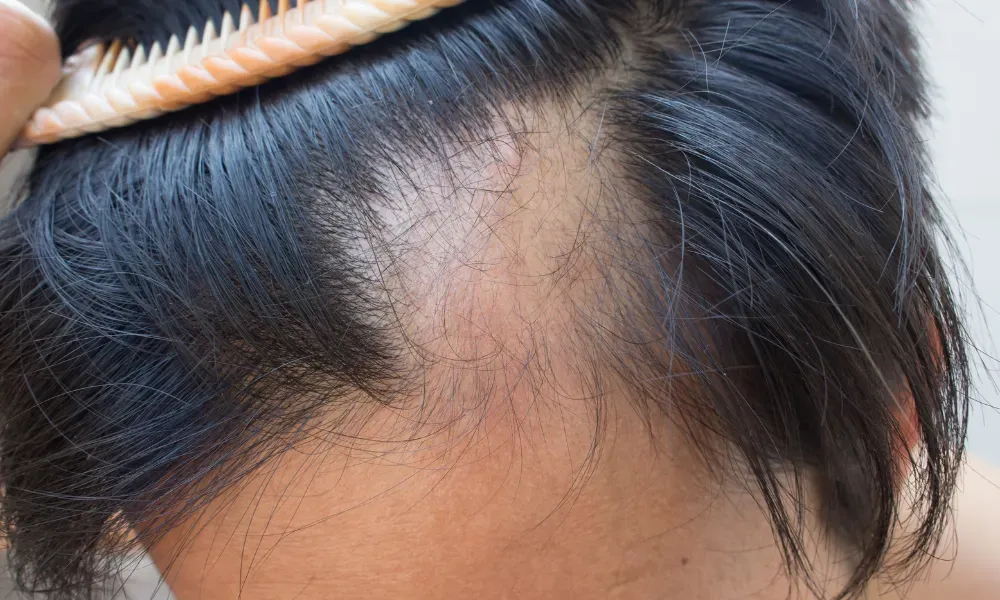
PRP can help address early hair thinning by using concentrated growth factors to support existing follicles, reduce shedding, and improve density. Learn why early evaluation matters, what treatment involves, and when PRP may be part of a personalized plan.
Hair shedding is a normal part of the hair-growth cycle, but noticeable thinning, a widening part, a receding hairline, or reduced hair density can be signs that something more is happening. For many people, the earlier hair loss is evaluated, the more opportunities there are to preserve existing follicles and address the underlying cause.
Platelet-rich plasma (PRP) therapy is one treatment option for certain types of hair thinning. It uses concentrated growth factors from a patient’s own blood to stimulate and support hair follicles. At MDCS Dermatology, PRP is offered as part of a comprehensive approach to hair loss that may also include topical or oral medications, scalp treatments, and evaluation for underlying medical or hormonal contributors.
What Is PRP for Hair Loss?
PRP, or platelet-rich plasma, is a regenerative treatment that uses components of your own blood to support hair growth.
The process generally involves three steps:
-
Blood collection: A small amount of blood is drawn from the arm.
-
PRP preparation: The sample is processed in a centrifuge to concentrate platelets and growth factors.
-
Scalp treatment: The concentrated PRP is injected into areas experiencing thinning.
The growth factors found in PRP may help support follicle activity, improve hair thickness and density, and reduce shedding in appropriate candidates.
Why Treat Hair Thinning Early?
Hair loss can gradually progress, making it easy to overlook in the beginning. You may first notice that your ponytail feels thinner, more scalp is visible through your part, or your hair does not seem to have the same fullness it once did.
Early evaluation matters because different types of hair loss require different treatments.
Common causes include:
-
Androgenetic or pattern hair loss
-
Telogen effluvium, or stress-related shedding
-
Postpartum hair loss
-
Hormonal changes
-
Thyroid disorders
-
Nutritional deficiencies
-
Certain medications
-
Autoimmune conditions
-
Inflammatory or scarring scalp disorders
PRP may be helpful for some forms of nonscarring hair thinning, but it is not appropriate for every type of hair loss. Identifying the cause is an important first step.
How Does PRP Help Thinning Hair?
PRP is designed to support existing follicles rather than simply cover areas of visible thinning.
The growth factors concentrated in PRP may help:
-
Stimulate hair follicles
-
Support the hair-growth cycle
-
Improve hair shaft thickness
-
Increase hair density
-
Reduce shedding
-
Support healthier-looking hair
PRP tends to be most useful when viable follicles are still present. Once a follicle has been completely lost or significant scarring has occurred, PRP alone may not be able to restore hair growth.
Who May Be a Good Candidate for PRP?
PRP may be considered for patients experiencing certain forms of early or moderate hair thinning, including:
-
Male-pattern hair loss
-
Female-pattern hair loss
-
Diffuse thinning
-
Early-stage follicle miniaturization
-
Some cases of stress-related shedding
-
Postpartum shedding
-
Thinning along the part or hairline
PRP may also be incorporated into a broader hair-restoration plan for patients already using topical or oral treatments.
A dermatologic evaluation is important before beginning treatment because excessive shedding can sometimes be the first sign of an underlying medical issue.
Meet Toral Vaidya, MD, MPH
Toral Vaidya, MD, MPH is a dermatologist at MDCS Dermatology with interests in procedural dermatology and cosmetic dermatology. Her background includes dermatologic research and extensive medical training, making individualized evaluation an important part of developing a treatment plan for patients concerned about their skin and hair health.
What Happens During a PRP Hair Treatment?
A PRP appointment typically begins with an assessment of the scalp and pattern of hair loss.
If PRP is appropriate, a small blood sample is collected and processed to concentrate the platelet-rich plasma. The resulting preparation is then carefully injected into targeted areas of the scalp.
The procedure is minimally invasive, and most patients can return to their regular activities relatively quickly.
Some temporary effects may occur, including:
-
Mild scalp tenderness
-
Redness
-
Swelling
-
Small injection-site bumps
-
Temporary sensitivity
Your treatment team will provide individualized aftercare instructions.
How Many PRP Treatments Are Needed?
PRP is generally performed as a series rather than as a one-time treatment.
A commonly used treatment approach at MDCS Dermatology involves approximately one treatment every 4–6 weeks for an initial series of 3–4 sessions, followed by maintenance treatments when appropriate. The exact schedule can vary depending on the diagnosis, degree of thinning, and individual response.
When Will You See Results?
Hair growth takes time, so PRP should not be viewed as an overnight solution.
Patients may begin noticing changes in shedding or hair quality within several months, while improvements in density can take longer. MDCS Dermatology notes that many patients begin seeing improvement within approximately 3–6 months.
Because hair grows in cycles, patience and consistency are important.
Is PRP a Permanent Hair Loss Treatment?
PRP can help support hair growth, but it does not permanently cure the underlying causes of most forms of hair loss.
Hair loss conditions such as androgenetic alopecia are often chronic and may require ongoing management. Maintenance PRP treatments may be recommended for some patients to help preserve improvements.
A comprehensive plan may combine PRP with other treatments when appropriate.
PRP May Work Best as Part of a Comprehensive Plan
Hair loss is often multifactorial. Depending on the diagnosis, treatment may include:
Topical Treatments
Topical medications such as minoxidil may help stimulate hair growth and reduce progression of certain types of thinning.
Oral Medications
Some patients may benefit from oral medications such as minoxidil or, depending on sex, diagnosis, and medical history, other prescription therapies.
Scalp Treatments
Inflammation, dandruff, folliculitis, and other scalp conditions can contribute to shedding and may need to be treated separately.
Nutritional or Hormonal Evaluation
If symptoms suggest an underlying deficiency, thyroid issue, hormonal change, or other medical contributor, additional evaluation may be appropriate.
What Can Make Hair Loss Worse?
Several factors can contribute to or accelerate shedding, including:
-
Significant physical or emotional stress
-
Rapid weight loss
-
Hormonal changes
-
Nutritional deficiencies
-
Certain medications
-
Tight hairstyles that repeatedly pull on the hair
-
Untreated scalp inflammation
Addressing contributing factors is an important part of protecting long-term hair health.
Is All Hair Shedding a Sign of Hair Loss?
No. Losing some hair each day is normal because individual hairs naturally move through different stages of the growth cycle.
The concern is persistent or noticeable change, such as:
-
Increasing hair in the shower or brush
-
A widening part
-
More visible scalp
-
Thinning temples
-
Receding hairline
-
Reduced ponytail thickness
-
Bald or thinning patches
Sudden or significant shedding should be evaluated rather than assumed to be normal.
How Can You Protect Your Hair Between Treatments?
Along with a medically appropriate treatment plan, gentle hair-care habits can help minimize additional damage.
Consider:
-
Avoiding consistently tight hairstyles
-
Limiting excessive heat styling
-
Treating the scalp gently
-
Maintaining adequate nutrition
-
Managing known medical conditions
-
Following prescribed treatments consistently
These measures do not replace medical treatment, but they can support overall scalp and hair health.
When Should You See a Dermatologist?
Consider scheduling a hair-loss evaluation if you notice persistent thinning, increased shedding, a widening part, or visible changes in scalp coverage.
Seeking evaluation early can be particularly important because some forms of hair loss are more responsive to treatment before follicles become severely miniaturized or permanently damaged.
At MDCS Dermatology, hair-loss care focuses on identifying the cause of thinning and creating an individualized treatment strategy. PRP may be one component of that plan when appropriate, alongside medical therapies and other treatment options.
Frequently Asked Questions
Does PRP work for everyone?
No. PRP is most appropriate for certain types and stages of hair loss. A dermatologic evaluation helps determine whether it is a suitable option.
Is PRP only for men?
No. PRP may be used for appropriate hair-loss patterns in both men and women.
How long does a PRP treatment take?
The appointment includes blood collection, PRP preparation, and scalp injections. Treatment time varies based on the size and number of areas being treated.
Can PRP be combined with medication?
Yes. Depending on the cause of hair loss, PRP may be incorporated into a broader treatment plan that includes topical or oral therapies.
When should I start treatment?
There is no single ideal age or stage for everyone. If you are noticing progressive thinning, an evaluation sooner rather than later can help determine what is causing the change and which treatments may be appropriate.
Take the Next Step for Thinning Hair
Hair thinning does not always happen suddenly. Often, subtle changes appear months or even years before significant hair loss becomes obvious. Addressing those changes early may provide more opportunities to preserve existing hair and improve density.
If you are concerned about thinning, shedding, or changes in your hairline, a personalized dermatologic evaluation can help identify the cause and determine whether PRP or another treatment is appropriate.
Schedule an appointment with MDCS Dermatology through Book Online.