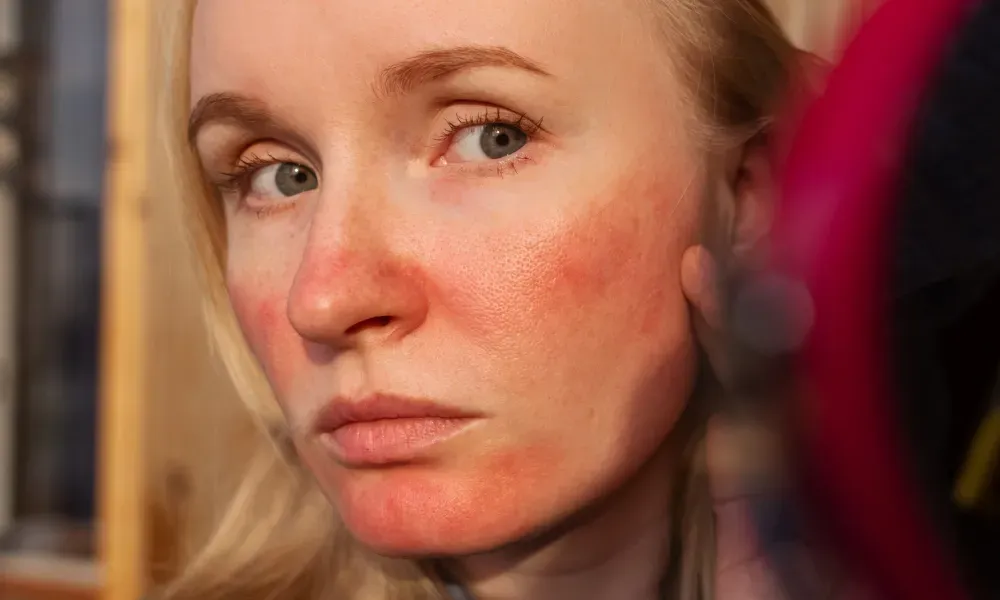
Persistent facial redness, flushing, and visible blood vessels may signal rosacea rather than sensitive skin. Early evaluation can help identify triggers and create a personalized plan using skincare, medications, and laser or light-based treatments.
A little facial flushing after exercise, a hot shower, or a stressful moment is usually temporary. But when redness becomes persistent, returns frequently, or is accompanied by burning, stinging, visible blood vessels, or acne-like bumps, it may be a sign of rosacea.
Rosacea is a chronic inflammatory skin condition that most commonly affects the cheeks, nose, forehead, and chin. Without appropriate management, symptoms can become more persistent and may significantly affect comfort, confidence, and quality of life.
At MDCS Dermatology, rosacea treatment is individualized based on the type and severity of symptoms, skin sensitivity, triggers, and the patient's goals. Treatment may include prescription medications, skincare recommendations, and laser or light-based therapies when appropriate.
What Is Rosacea?
Rosacea is a chronic condition that causes inflammation and changes in the blood vessels of the skin. It can look different from person to person and may initially be mistaken for sensitive skin, sun damage, an allergic reaction, or acne.
Common symptoms include:
-
Persistent facial redness
-
Frequent flushing
-
Visible small blood vessels
-
Red bumps or pustules
-
Burning or stinging
-
Skin sensitivity
-
Dryness or irritation
-
Facial swelling
-
Eye irritation in cases of ocular rosacea
The condition can come and go, but repeated untreated flare-ups may eventually result in redness that becomes more persistent.
Why Persistent Facial Redness Shouldn't Be Ignored
Many people live with facial redness for years before seeking treatment because they assume it is simply their natural complexion.
However, persistent redness deserves a dermatologic evaluation.
Early assessment can help determine whether the redness is related to rosacea or another condition and identify factors that may be making symptoms worse. MDCS Dermatology notes that early medical treatment can be important because rosacea symptoms may worsen without appropriate management.
Treating symptoms earlier can also help prevent patients from continuously experimenting with products that may further irritate sensitive skin.
What Causes Rosacea?
The exact cause of rosacea is not fully understood. Genetics, immune-system activity, blood-vessel reactivity, and environmental factors may all contribute.
Certain triggers can cause blood vessels to dilate and increase inflammation.
Common triggers include:
-
Sun exposure
-
Heat and humidity
-
Hot showers
-
Saunas
-
Intense exercise
-
Spicy foods
-
Hot beverages
-
Alcohol
-
Caffeine
-
Emotional stress
-
Wind
-
Extreme temperatures
Not every trigger affects every patient. Keeping track of when redness occurs can help identify individual patterns.
How Heat and Sun Exposure Affect Rosacea
Heat and UV exposure are particularly important triggers for many people with rosacea.
Heat causes blood vessels to expand, which can make flushing more noticeable. Sun exposure can also promote inflammation and make redness harder to control.
This is why daily sun protection is an essential component of rosacea management.
Patients may benefit from:
-
Broad-spectrum SPF 30 or higher
-
Protective clothing
-
Wide-brimmed hats
-
Seeking shade during peak sun hours
-
Avoiding excessive heat when possible
Rosacea Is Not the Same as Acne
Rosacea can cause red bumps and pustules that resemble acne, but the conditions are different.
Using aggressive acne products on rosacea-prone skin can sometimes make redness, dryness, and irritation worse.
If facial bumps occur alongside persistent redness or flushing, a dermatologic evaluation can help determine whether the symptoms are caused by rosacea, acne, or another condition.
Prescription Treatments for Rosacea
Treatment depends on the specific symptoms and severity of the condition.
Topical Medications
Prescription creams and gels may be used to address inflammation, bumps, pustules, or persistent redness.
Common topical approaches may include medications containing:
-
Metronidazole
-
Azelaic acid
-
Ivermectin
-
Brimonidine
The appropriate medication depends on the patient's symptoms and medical history.
Oral Medications
For patients with more significant inflammatory symptoms, oral medications may be recommended.
Certain oral antibiotics, including doxycycline, can be used for their anti-inflammatory effects. In selected cases, other prescription therapies may be considered.
Laser and Light Treatments for Facial Redness
Medication can help control inflammation, but persistent redness and visible blood vessels may require a different approach.
Laser and light-based treatments can target blood vessels and vascular changes contributing to visible redness.
At MDCS Dermatology, treatment options for rosacea may include technologies designed to improve redness, visible blood vessels, and inflammation. These may include pulsed dye laser and intense pulsed light treatments, depending on the patient's needs.
Multiple treatments may be recommended depending on the extent of redness and the patient's response.
Skincare for Rosacea-Prone Skin
A consistent skincare routine can make a significant difference for patients with sensitive, rosacea-prone skin.
Use a Gentle Cleanser
Choose a mild cleanser that does not leave the skin feeling tight or stripped.
Moisturize Regularly
A healthy skin barrier can help reduce irritation and sensitivity. Look for fragrance-free moisturizers formulated for sensitive skin.
Avoid Over-Exfoliation
Aggressive scrubs and frequent use of strong acids can aggravate already sensitive skin.
Introduce New Products Slowly
Trying multiple new products at once makes it difficult to identify what may be causing irritation.
Wear Sunscreen Every Day
UV exposure can trigger rosacea even when the weather does not feel particularly sunny.
Meet Melissa Magrone, MSN, FNP-C
Melissa Magrone, MSN, FNP-C is a board-certified Family Nurse Practitioner specializing in dermatology at MDCS Dermatology. She has more than 15 years of healthcare experience and brings a personalized approach to both medical and cosmetic dermatology.
Melissa's dermatology experience includes caring for patients with a range of skin concerns while focusing on individualized treatment and patient confidence. Her approach makes a thorough evaluation particularly valuable for patients dealing with persistent redness, sensitivity, and recurring skin concerns.
How Long Does Rosacea Treatment Take?
Rosacea management is a long-term process rather than a one-time treatment.
Some patients notice improvement relatively quickly after starting an appropriate treatment, while others require several weeks or months of consistent care.
Laser and light treatments may also require a series of sessions for optimal improvement in persistent redness or visible blood vessels.
Because rosacea is chronic, maintenance and trigger management remain important even after symptoms improve.
Can Rosacea Be Cured?
There is currently no permanent cure for rosacea, but the condition can often be managed effectively.
Long-term management typically focuses on:
-
Identifying personal triggers
-
Protecting the skin from UV exposure
-
Maintaining a gentle skincare routine
-
Treating inflammation when necessary
-
Addressing persistent redness or visible blood vessels
-
Adjusting treatment as symptoms change
The goal is not simply to treat an individual flare-up but to create a sustainable strategy for keeping symptoms under control.
What Happens If Rosacea Is Left Untreated?
Not every patient will experience progression, but untreated rosacea can become more persistent over time.
Patients may notice that:
-
Flushing occurs more frequently
-
Redness lasts longer
-
Visible blood vessels become more noticeable
-
Skin becomes increasingly sensitive
-
Inflammatory bumps become more frequent
Some patients may also experience ocular symptoms, including eye redness, dryness, burning, or irritation.
Eye symptoms should be discussed with a medical professional because ocular rosacea can require specific management.
When Should You See a Dermatologist?
Consider scheduling a dermatology evaluation if you experience:
-
Facial redness that does not go away
-
Frequent flushing
-
Visible broken blood vessels
-
Burning or stinging
-
Persistent acne-like bumps
-
Increasing skin sensitivity
-
Symptoms around the eyes
-
Flare-ups that interfere with daily life
You do not need to wait until redness becomes severe before seeking care.
A professional evaluation can help distinguish rosacea from other causes of facial redness and establish an appropriate treatment plan.
Take the Next Step for Persistent Facial Redness
Persistent redness is not something you simply have to live with. While rosacea is a chronic condition, appropriate treatment and consistent skin care can significantly improve symptoms and help reduce future flare-ups.
At MDCS Dermatology, rosacea care combines medical evaluation, personalized skincare guidance, prescription treatments, and advanced laser or light-based options when appropriate.
To schedule an appointment with the team, Book Online.