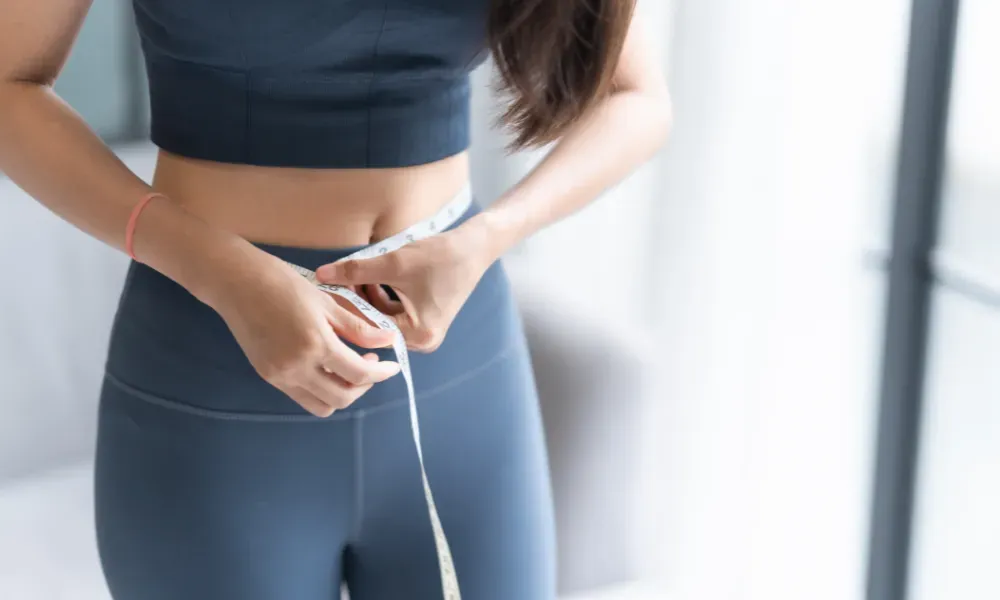
Weight loss can leave loose skin and stubborn fat behind. Explore how body contouring treatments may improve skin firmness and body contours, understand available options, and find the right approach for your aesthetic goals at MDCS Dermatology.
Losing weight can be an exciting achievement, but it may also bring changes that are not always expected. After significant weight loss, some people notice loose skin, reduced firmness, or stubborn areas of fat that remain despite maintaining a healthy lifestyle. These changes can affect the abdomen, arms, thighs, neck, and other areas of the body.
Loose skin is a common concern after weight loss because the skin does not always shrink at the same rate as the body. Factors such as age, genetics, the amount of weight lost, and natural skin elasticity can influence how the body looks afterward.
At MDCS Dermatology, patients can explore treatment options that may help improve skin firmness and body contours. Depending on individual concerns, treatments such as radiofrequency microneedling and body-tightening procedures may help address certain areas of laxity and stubborn fat.
Why Does Loose Skin Develop After Weight Loss?
Skin naturally stretches as the body gains weight. Collagen and elastin help the skin maintain its structure and elasticity, allowing it to expand and contract.
However, after significant or rapid weight loss, the skin may not fully return to its previous shape. This can leave behind folds or areas of looseness, particularly around the stomach, upper arms, thighs, and lower face.
Several factors can influence how much loose skin develops:
-
Amount of weight lost: Larger weight changes may result in more noticeable skin laxity.
-
Age: Skin generally loses elasticity over time.
-
Genetics: Individual skin characteristics can affect how well skin retracts.
-
Weight-loss timeline: Rapid weight changes may leave less time for the skin to adjust.
-
Sun exposure and lifestyle: These can contribute to changes in skin quality over time.
Loose Skin vs. Stubborn Fat: What's the Difference?
Understanding whether the primary concern is loose skin, remaining fat, or a combination of both is important when considering body contouring.
Loose skin may appear thin, crepey, or sagging. It can remain even after reaching a stable weight.
Stubborn fat refers to localized pockets of fat that may be resistant to changes in diet and exercise. These areas can affect body shape even when someone is close to their desired weight.
Some patients experience both concerns. In these cases, a combination approach may be considered depending on skin quality, treatment goals, and overall health.
Body Contouring Treatments That May Help
Body contouring treatments are designed to address concerns such as skin laxity, uneven texture, and localized fat. The most appropriate option depends on the area being treated and the degree of change.
1. Morpheus8: Improving Skin Firmness and Texture
Morpheus8 combines microneedling with radiofrequency energy to target deeper layers of the skin. It stimulates the body's natural collagen and elastin production, which may help improve skin texture, firmness, and the appearance of mild skin laxity.
It may be considered for areas such as the abdomen, thighs, and other areas where improved skin quality is desired.
Morpheus8 is not a weight-loss treatment or a replacement for surgery when there is significant excess skin. Results develop gradually as collagen production increases.
2. BodyTite: Addressing Skin Laxity and Contour
BodyTite uses radiofrequency-assisted technology to address localized fat and improve the appearance of skin tightening. It may be an option for patients concerned about areas that appear less firm after weight loss.
Treatment suitability depends on the amount of excess fat and skin laxity. Patients with substantial loose skin may need a different approach.
3. FaceTite: Addressing Loose Skin Around the Face and Neck
Weight loss can also affect facial appearance. Some individuals notice reduced fullness around the cheeks, jawline, and neck, which may make skin laxity more noticeable.
FaceTite is a radiofrequency-assisted treatment designed to address certain concerns involving facial and neck contouring. It may be considered for patients seeking improvement in areas such as the jawline and lower face.
An evaluation is necessary to determine whether this approach is appropriate.
When Is Body Contouring Appropriate After Weight Loss?
Timing is an important part of treatment planning. It is generally best to wait until weight has stabilized before considering body contouring procedures.
If weight continues to fluctuate, changes in body shape may affect the appearance and longevity of treatment results.
During a consultation, the clinician can assess skin quality, the amount of remaining fat, and the areas of concern. This helps determine whether a non-surgical treatment, minimally invasive procedure, or surgical option may be more appropriate.
What Results Can Patients Expect?
Body contouring treatments can help improve certain concerns, but results vary depending on the treatment, individual anatomy, and degree of skin laxity.
Patients should keep in mind:
-
Results may develop gradually, especially with collagen-stimulating treatments.
-
Multiple sessions may be recommended for some treatments.
-
Non-surgical procedures generally provide more modest improvements than surgery.
-
Significant excess skin may require surgical removal.
-
Maintaining a stable weight can help preserve results.
A consultation is the best way to understand realistic expectations and choose an appropriate treatment plan.
Is Body Contouring a Replacement for Exercise and Healthy Habits?
No. Body contouring is intended to address specific cosmetic concerns, not replace healthy lifestyle habits or serve as a weight-loss solution.
Regular physical activity, balanced nutrition, hydration, and maintaining a stable weight can support overall wellness and help patients maintain their results.
Strength training may also help improve muscle definition, which can contribute to a more toned appearance. However, exercise cannot remove excess skin.
Frequently Asked Questions
Can loose skin tighten naturally after weight loss?
Some skin may gradually retract after weight loss, but the amount of improvement varies. Age, genetics, skin elasticity, and the amount of weight lost all play a role.
Can body contouring remove all loose skin?
Not necessarily. Non-surgical and minimally invasive treatments may improve mild to moderate laxity, but significant excess skin may require surgery.
How long should I wait after losing weight before considering treatment?
It is generally recommended to wait until your weight has stabilized. A consultation can help determine the appropriate timing based on your individual circumstances.
Can body contouring treat the stomach and arms?
Certain treatments may be suitable for these areas. The best option depends on whether the concern is loose skin, localized fat, or both.
Are body contouring treatments weight-loss procedures?
No. These treatments are intended to improve body contours and certain cosmetic concerns. They are not designed to replace weight management, diet, or exercise.
Personalized Body Contouring at MDCS Dermatology
Weight loss can bring meaningful changes, but loose skin and stubborn areas of fat may affect how comfortable you feel with your appearance. The right treatment approach starts with understanding your individual concerns and identifying realistic options.
Dr. Noah Gratch, MD can help patients understand their skin and aesthetic concerns and discuss appropriate treatment considerations. An individualized evaluation can help determine whether skin-tightening or body-contouring options may be suitable.
At MDCS Dermatology, patients can explore personalized aesthetic care based on their goals, skin concerns, and treatment needs.
Ready to discuss your options? Book an appointment with MDCS Dermatology.